Christian Privilege and the Sectarian Boomerang

Christian Privilege and the Sectarian Boomerang

Are Christians Privileged, Christian Privilege and Diversity, Christian Privilege Critique Response, Christian Values and Christian Privilege, What is Christian Privilege
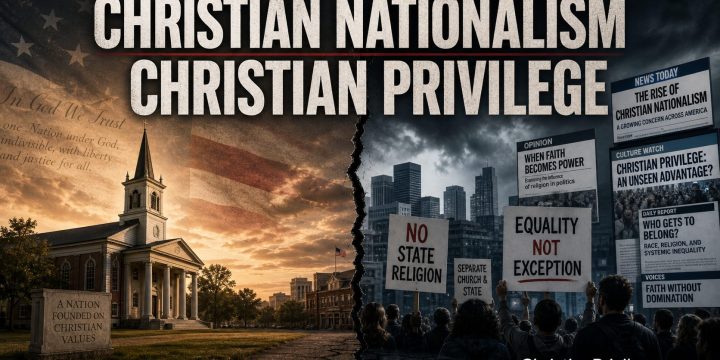
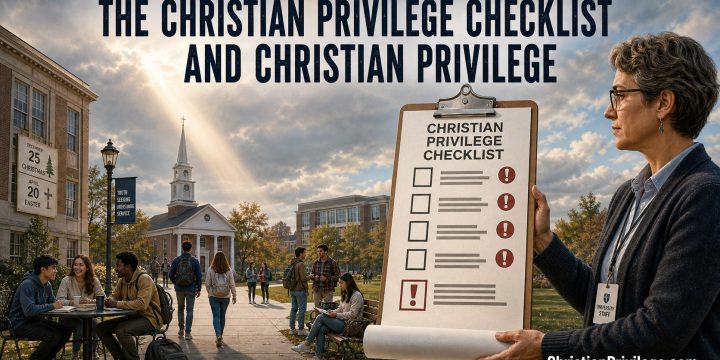
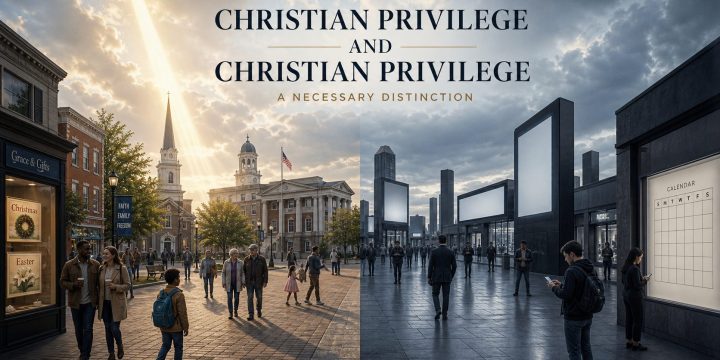
Christian Privilege and the Dream of a Neutral Winner The social criticism of Christian Privilege is often sold as a peace plan for a divided nation. The idea is straightforward enough: if Christianity loses its special status in public life—its assumed moral authority, cultural familiarity, and institutional influence—then the public square will become fairer, calmer, and less tribal. A single dominant identity will no longer overshadow everyone else. The temperature will drop. But this is one of the most dangerous illusions in modern public life. If the strongest version of the anti-Christian Privilege project were implemented, it would not produce neutrality. It would produce a new race for official status. Once public Christianity is framed as a problem to be contained, every other moral and political faction learns the same lesson: survival requires…
Read More
Christian Privilege and the Impossible Accounting of Influence

Christian Privilege and the Impossible Accounting of Influence

Christian Privilege, Christian Privilege and American History, Christian Privilege and Diversity, Christian Privilege Critique Response, Christian Values and Christian Privilege
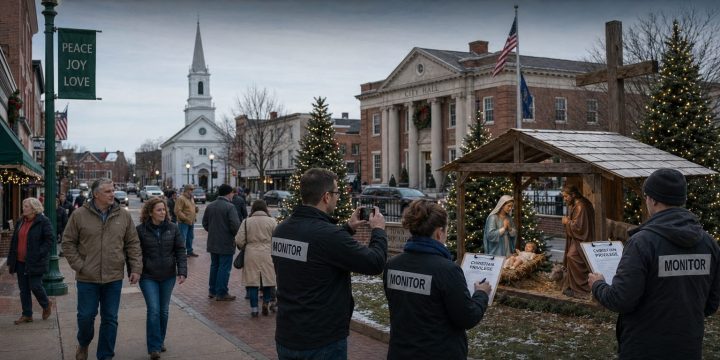
Christian Privilege and the Fantasy of Perfect Balance The criticism of Christian Privilege usually presents itself as a demand for fairness. The claim is that Christians, by virtue of numbers and history, enjoy disproportionate influence in law, culture, and institutions, and that justice requires “balancing” this influence so no tradition dominates. On the surface, this sounds like a simple matter of equity—just adjust the dials until every group’s social footprint matches its demographic size. That picture is a fantasy. Influence in a free society is not a resource that can be rationed by a central accountant. It emerges from millions of voluntary decisions: where people worship, which schools they found, what causes they fund, which books they write, how they vote, which charities they build, and how deeply their convictions shape their…
Read More
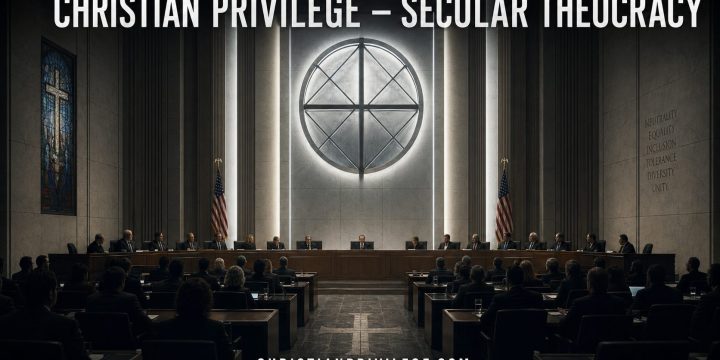
Christian Privilege and the Secular Theocracy

Christian Privilege and the Secular Theocracy

Christian Privilege, Christian Privilege Critique Response, Christian Values and Christian Privilege, What is Christian Privilege
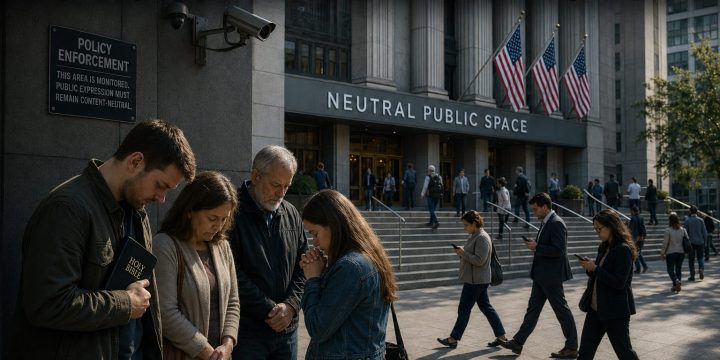
Christian Privilege and the Strange Logic of the New Orthodoxy The modern critique of Christian Privilege presents itself as a campaign for neutrality, fairness, and a truly inclusive public square. But when you follow its logic to the end, it does not create neutrality at all. It creates a new orthodoxy—one that does not merely ask Christianity to share space, but demands that Christianity surrender moral legitimacy whenever it enters public life. That is the irony at the center of the Christian Privilege debate. A theory that claims to oppose cultural domination often smuggles in its own preferred creed: religion is acceptable only when privatized, muted, and stripped of its power to shape common life. Christianity may be tolerated as a personal hobby, much like gardening or knitting, but the moment it informs public…
Read More